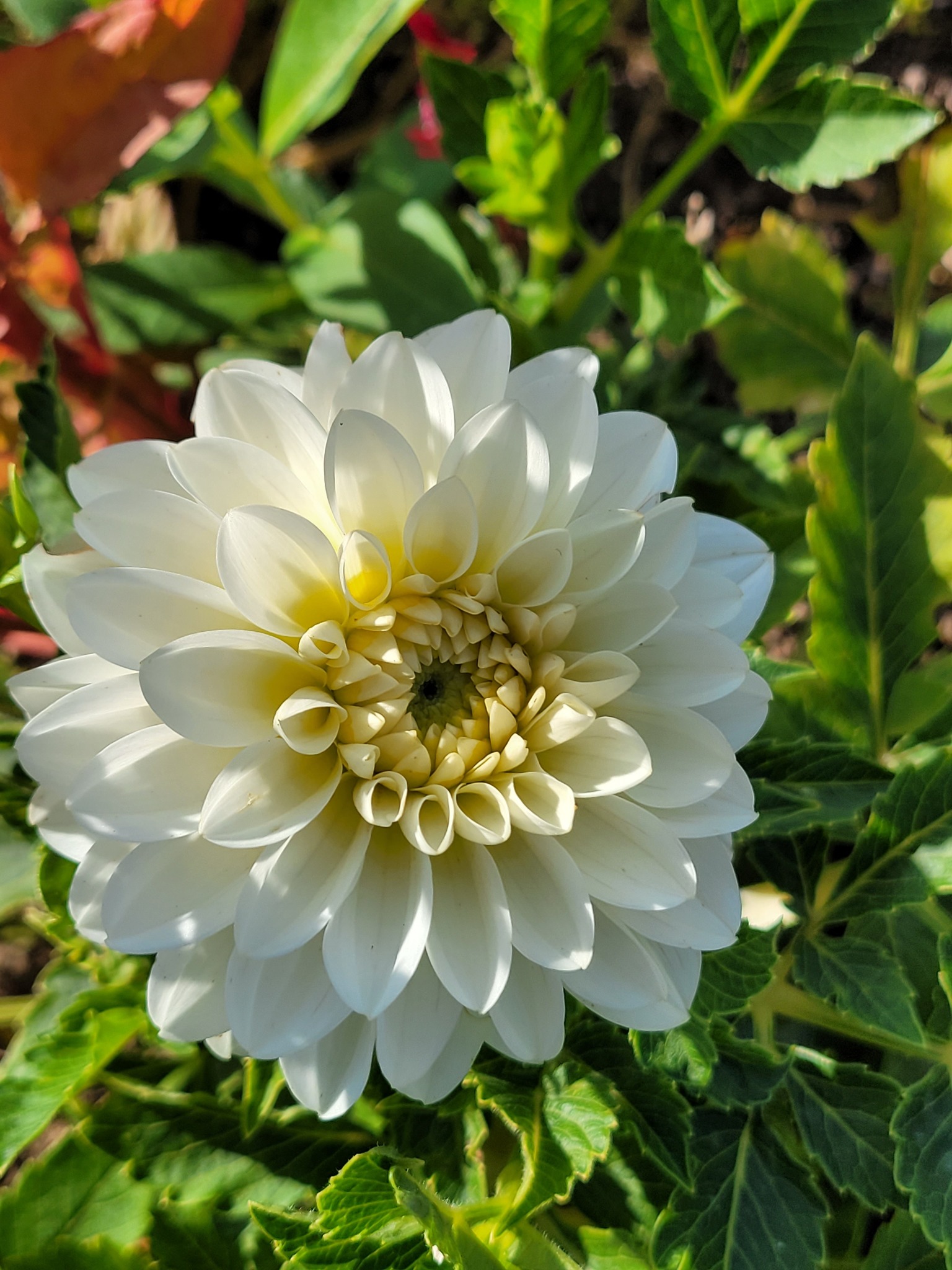
Color Strategy for the Whole Season
A great flower plan starts with timing. Early bloomers get the show started, mid-season flowers carry it, and late-season varieties finish strong. When you build a plan that stretches across the season, your beds and containers feel alive from spring through fall without constant replanting.
Think in layers. Tall flowers create a backdrop, medium blooms fill the middle, and trailing plants soften the edges. This layered approach makes even a small bed look full and intentional. It also helps when you want a porch planter or basket to look good from every angle.
Color can be bold or calm, but repetition is the key to a cohesive look. Pick one or two colors to repeat across pots and beds, then add a smaller accent color for contrast. That simple plan makes the whole yard feel connected.
Foliage is part of the palette too. Silver, deep green, or chartreuse leaves can make flowers pop and keep beds attractive even between bloom cycles. When you mix foliage with flowers, the display feels full and polished all season.
If you love a relaxed, cottage feel, blend a few similar shades rather than exact matches. Soft pinks and warm corals together create a gentle gradient that feels natural and inviting without looking too formal.
Repeat the same color family in multiple spots. A basket on the porch and a bed along the walkway can share the same tones, which makes the whole space feel connected even if the plants are different.
Sun Lovers and Heat-Tolerant Picks
If your yard gets full sun, you have many strong options. Geraniums remain a classic because they bloom steadily and handle warm weather well. This year we have a wider range of reds, pinks, and corals, plus ivy geraniums that trail beautifully in hanging baskets.
Zinnias and marigolds are sun lovers that thrive in Michigan heat. Zinnias bring bold, cheerful color and are generous for cutting. Marigolds add warm golden tones and look great in vegetable beds or along pathways.
For sunny porches, mix upright flowers with a trailing variety. This keeps containers balanced and lush without extra work. A simple planter with a tall focal bloom, a medium filler, and a trailing edge plant will look full all season.
Sunny beds benefit from a thin mulch layer to keep the soil from drying too fast. Mulch helps the roots stay cool and makes watering more forgiving during hot spells. It is a quiet step that keeps blooms more consistent through the summer.
If you want flowers for bouquets, sun lovers are a great choice. Zinnias and marigolds cut well, and a steady harvest encourages more blooms. A small bed in full sun can keep your kitchen table full of color all season.
In full sun, watering in the morning helps plants stay hydrated through the hottest part of the day. Consistent moisture keeps petals from fading quickly and helps the plants maintain strong, upright stems.
Check containers in full sun daily during hot stretches. If the top inch feels dry, give a deep drink and let the excess drain. This simple habit keeps blooms steady without overwatering.
Shade-Friendly Stars
Shady corners do not have to be dull. Impatiens are a trusted choice for steady blooms in low light, and begonias add glossy leaves and a more structured look. Together, they bring color to spaces that feel quiet or cool.
In partial shade, aim for bright colors and textured foliage. Light-colored blooms brighten dark corners and create a refreshing, calm feel. Mixing a few foliage textures with colorful blooms makes shade gardens feel layered rather than flat.
Shade beds also benefit from steady moisture and a light mulch layer. Because shade can stay damp longer, a thin mulch helps regulate moisture without keeping soil too wet. It is a gentle way to keep plants comfortable through changing weather.
Give shade plants a little extra space for airflow. Even in cooler spots, good spacing keeps leaves dry after rain and helps plants stay healthy. That small bit of breathing room can extend the bloom season noticeably.
Shade containers work well when placed in bright, indirect light. A pot near a porch or under a tree can become a colorful focal point as long as you keep the soil evenly moist and avoid letting it dry out completely.
Light blooms like white or soft pink read brightly in shade and make the space feel open. Combining those with deeper foliage colors gives the bed depth without needing full sun.
Texture, Height, and Container Design
Texture is what makes a flower bed memorable. Pair airy flowers like cosmos with more structured blooms like geraniums or begonias. Add a trailing plant along the edge to soften the bed and make it look full and finished.
Containers are a perfect place to play with texture. A simple formula works well: one tall plant, one medium plant, and one trailing plant. This creates balance and prevents your pot from looking flat from one angle.
Hanging baskets thrive with morning sun and afternoon shade. Keep them evenly moist and rotate them occasionally so all sides get light. When baskets are balanced and hydrated, they look fresh for weeks with minimal effort.
Use a compost-rich potting mix in containers so moisture stays steady. Containers dry faster than beds, and rich mix makes it easier to keep roots happy. A light mulch layer on top of the potting mix can also slow evaporation.
If you are designing several pots, repeat the same structure and change only the colors. This gives your porch or patio a cohesive look without feeling too matchy. It is a simple way to make the whole space feel intentional.
Grouping containers together makes a stronger visual statement than scattering them. A cluster of three pots in different heights creates an easy focal point and makes watering more efficient.
Care That Keeps Blooms Coming
Consistent care keeps flowers blooming. Water at the base instead of overhead to keep leaves dry and reduce stress. Deadhead spent blooms to signal the plant to keep producing new flowers. These small habits make a noticeable difference in bloom count.
A light compost top dressing mid-season feeds the soil and keeps plants strong. Compost improves moisture retention and encourages steady growth, which helps flowers handle heat and wind without fading quickly.
If you are unsure about combinations or care, ask us. We are happy to help build a color plan or suggest varieties for tricky spots. A little guidance up front can make your flower season feel effortless and full of color.
Try to water deeply and less often rather than a quick splash each day. Deep watering encourages roots to grow down, which makes flowers more resilient on hot afternoons. Combine that with mulch and you will see more consistent blooms.
As the season goes on, remove any tired stems and give the plants a little space to breathe. A quick tidy-up each week keeps the bed looking fresh and helps new blooms stand out.
If a container starts to look tired late in summer, refresh it with a light compost top dressing and a trim. Often that small reset is enough to bring it back to life for the rest of the season.
Seasonal Tips
- Repeat one color across beds for cohesion
- Mix tall, medium, and trailing plants
- Deadhead regularly for continuous blooms
- Water at the base to keep leaves dry
- Top dress with compost mid-season
- Use shade plants for low-light corners
- Rotate containers for even light
- Group flowers by sun needs
- Plant in clusters for a bold look
- Use hanging baskets in bright, sheltered spots
- Add a trailing plant to soften edges
- Cut flowers often to encourage new blooms